Tested / Image generation
The Internet Picked the Best AI Image Generators.
I Wasn’t Convinced.
Online recommendations were one thing. My experience was another. I gave ChatGPT ImageGen 2, Midjourney v8 and Gemini Nano Banana 2.1 three briefs to see what their pictures actually delivered.
I asked the internet which AI image generators were the best. ChatGPT ImageGen 2, Midjourney v8 and Gemini Nano Banana 2.1 made the shortlist, but the recommendations did not square with my experience of using them. Rather than argue with another ranking, I decided to put the tools to work.
The list that started it
My initial October research ranked the products behind these tested versions: Midjourney v8 first, ChatGPT ImageGen 2 second and Gemini Nano Banana 2.1 third. The case for each was familiar: Midjourney v8 for artistic and cinematic imagery; ChatGPT ImageGen 2 for following instructions and conversational editing; Gemini Nano Banana 2.1 for photographic results, consistency and editing. The starting list was a platform-level opinion, not a ranking of these exact model versions. Those were the starting claims, not capabilities these three prompts could comprehensively test.
Even that research contained a useful contradiction. Midjourney v8’s first place was an editorial preference for its artistic output, not a measured benchmark win. Its evidence-based alternative order was ChatGPT ImageGen 2, Gemini Nano Banana 2.1, then Midjourney v8. My own experience suggested another order again: ChatGPT ImageGen 2, Midjourney v8, Gemini Nano Banana 2.1. That was worth investigating with actual pictures.
The original references were Arena’s image leaderboard, Artificial Analysis and Tech Arcade’s editorial comparison. They do not collectively establish the starting list: the live leaderboards compare specific model entries, while Tech Arcade’s current list does not reproduce that three-platform order. I have linked them as background, rather than borrowing their authority for my own ranking.
Three prompts, nine pictures: a Stargate beside the Eiffel Tower, a tarsier warrior and a motivational poster for an IT office. Would the tools produce attractive images, or the images I actually asked for? Those turned out to be different questions.
For the poster test, one gave me the poster. Another gave me the poster plus what felt like the entire subscription economy. The third furnished an office and put a small poster on the wall.
All three made something. Only some made the thing I had in mind.
My day-to-day preference is ChatGPT ImageGen 2 first, Midjourney v8 second and Gemini Nano Banana 2.1 third. The individual results are more interesting than that neat ordering suggests.
What this is: an informal comparison from my own use, with three recorded briefs and one supplied output per platform for each. The tested versions are identified above and confirmed by the author. Timings are reported in my notes; settings, attempt counts and revision histories were not controlled or fully recorded. It is not a market-wide “top three” or a scientific leaderboard.
Test 01
Paris gets a very unusual tourist attraction
A familiar landmark and a science-fiction prop are a useful test of composition. Can the image make the impossible feel as if someone photographed it?
Exact recorded prompt
create a photorealistic image of a Stargate near the Eiffel Tower in Paris 1:1
ChatGPT ImageGen 2
35s reported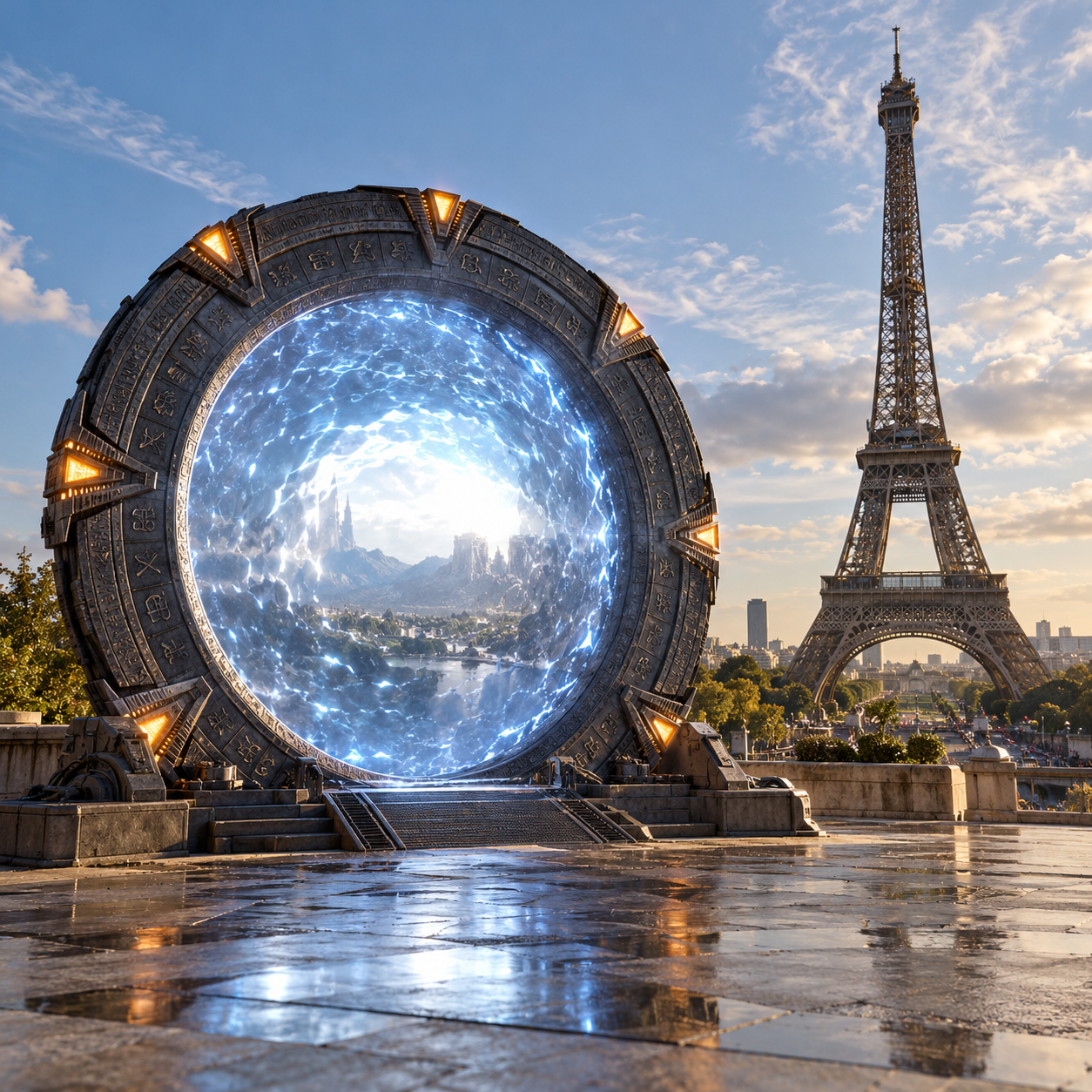
Midjourney v8
9s reported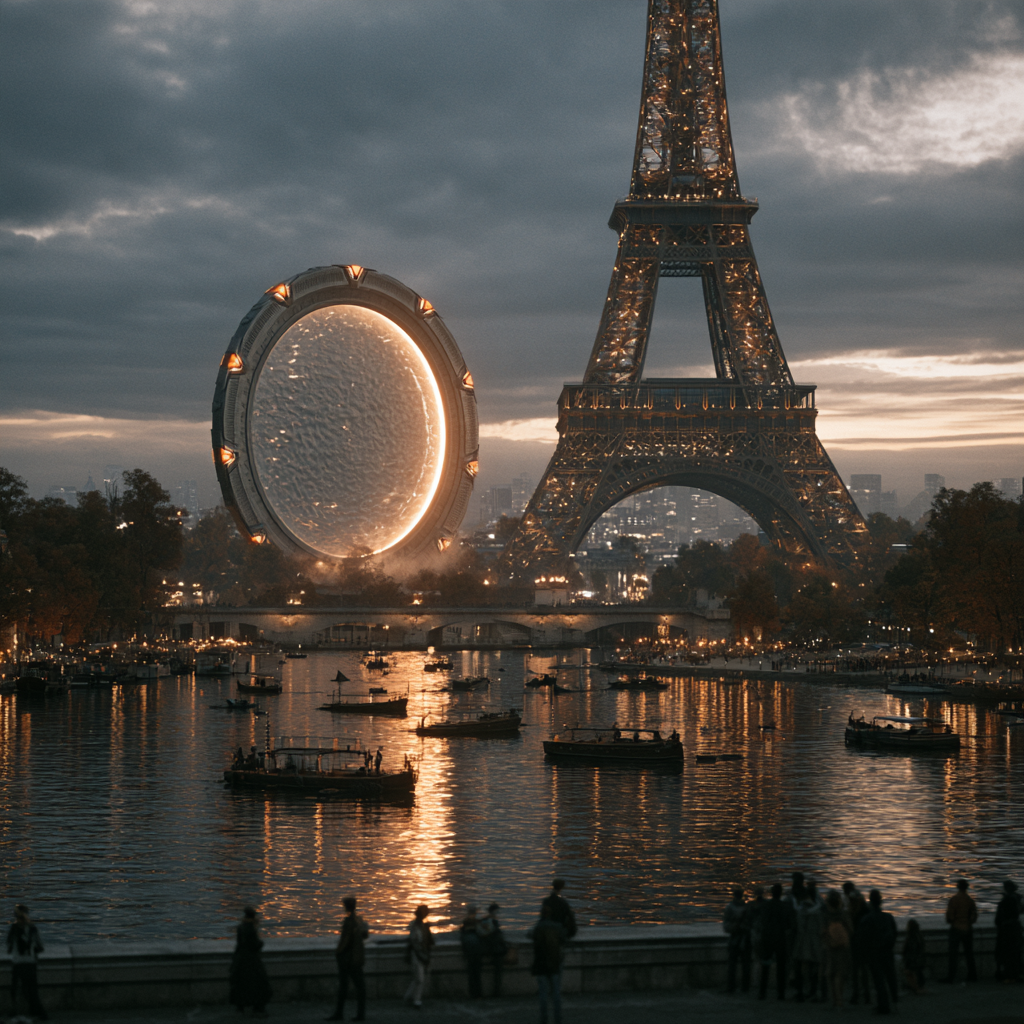
Gemini Nano Banana 2.1
9s reported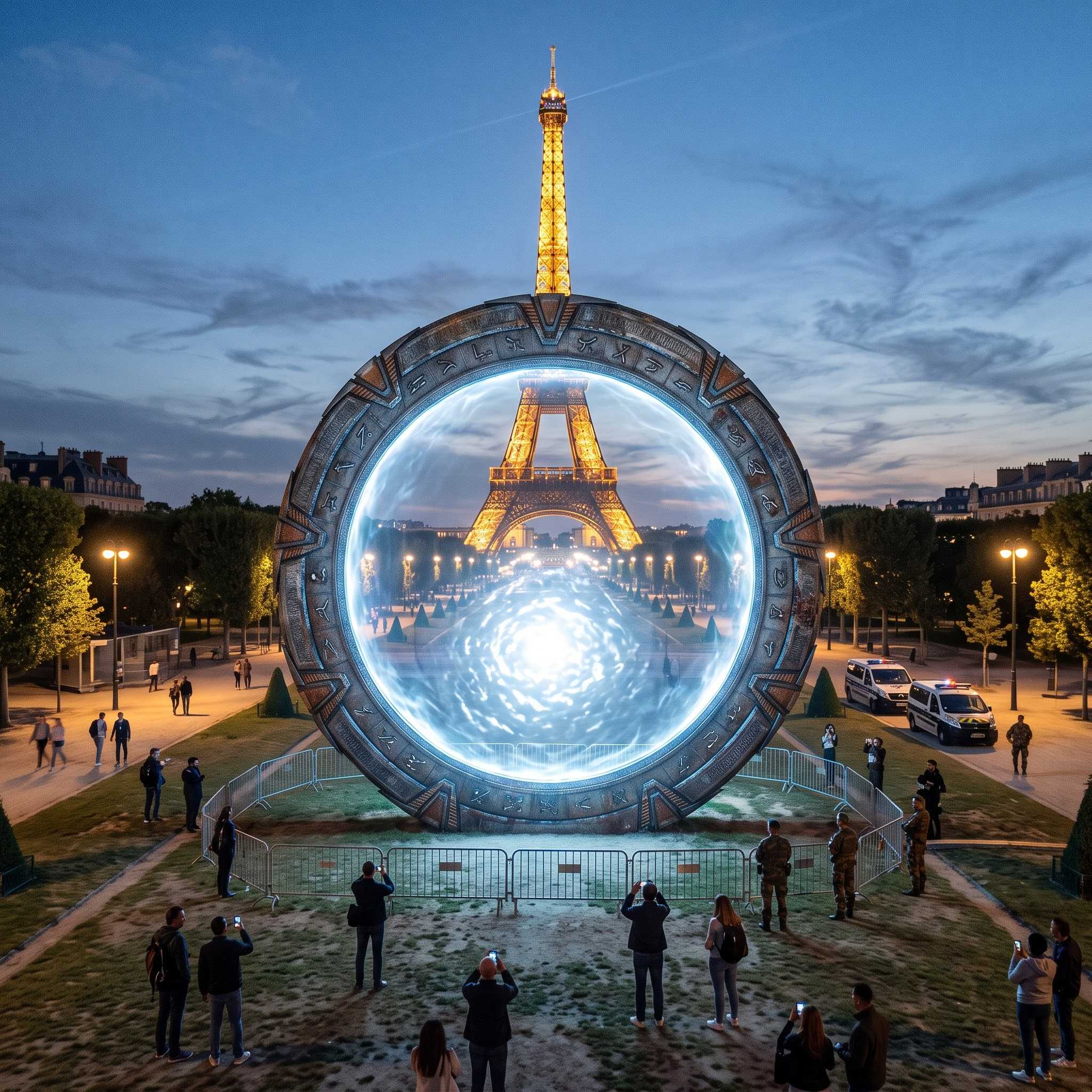
My read: There is no clean sweep here. I favour Midjourney v8 for photographic atmosphere, Gemini Nano Banana 2.1 for environmental storytelling and ChatGPT ImageGen 2 for the mechanical gate detail. Actual Paris geography was not checked. These are judgements about three pictures, not a reliable ranking of photorealism.
Test 02
The tarsier needs to hold the sword
This brief is less about atmosphere and more about a relationship: a character must be holding an object. A sword somewhere in the picture is not quite the same thing.
Exact recorded prompt
Photorealistic image of a cute Tarsier in brown leather armor holding a sword, 1:1
ChatGPT ImageGen 2
24s reported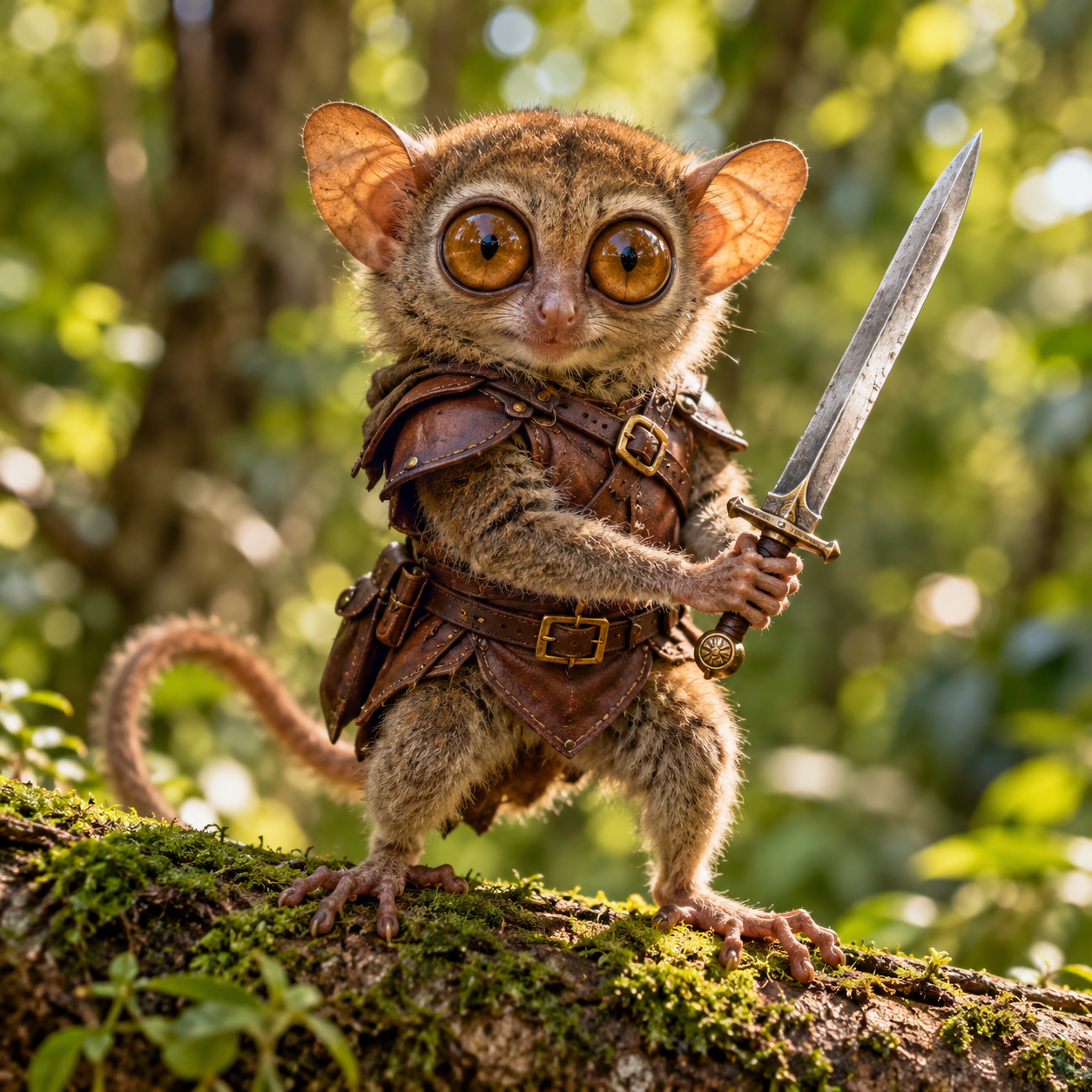
Midjourney v8
9s reported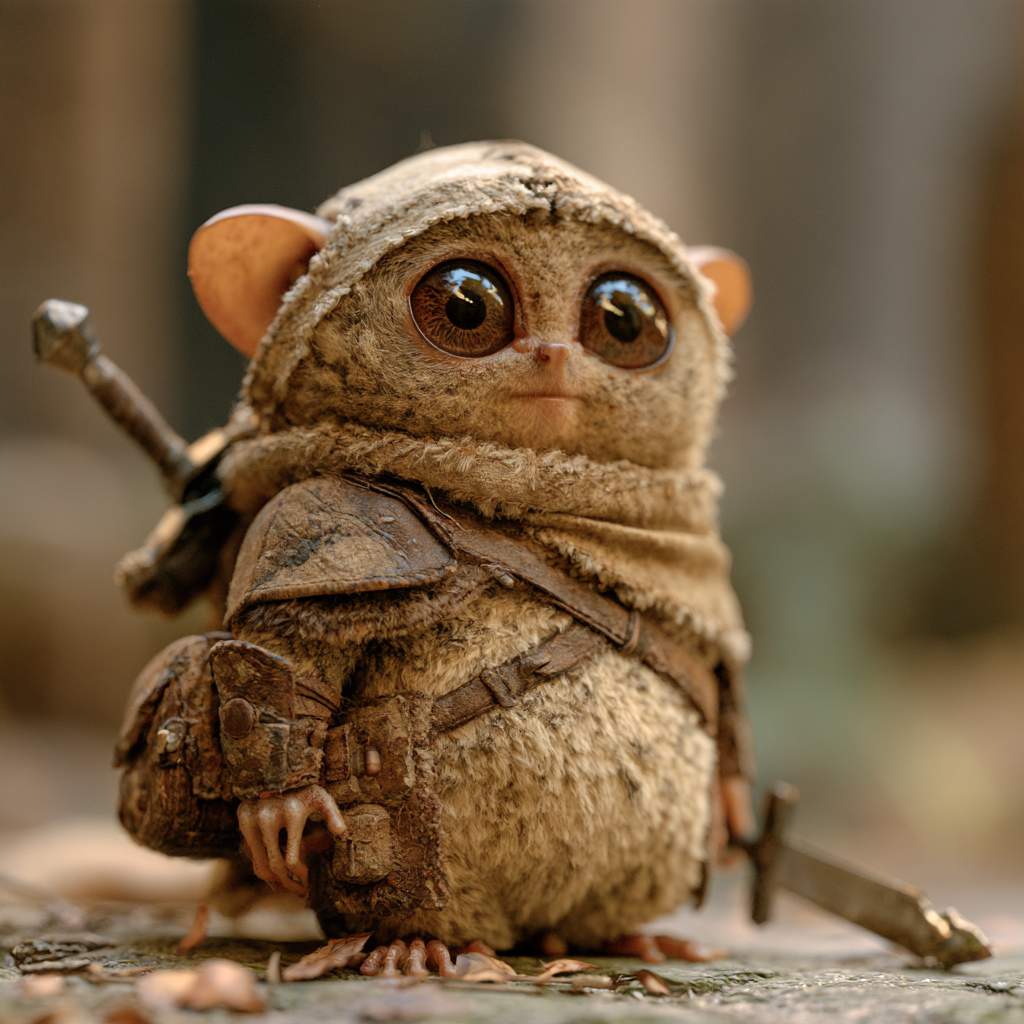
Gemini Nano Banana 2.1
5s reported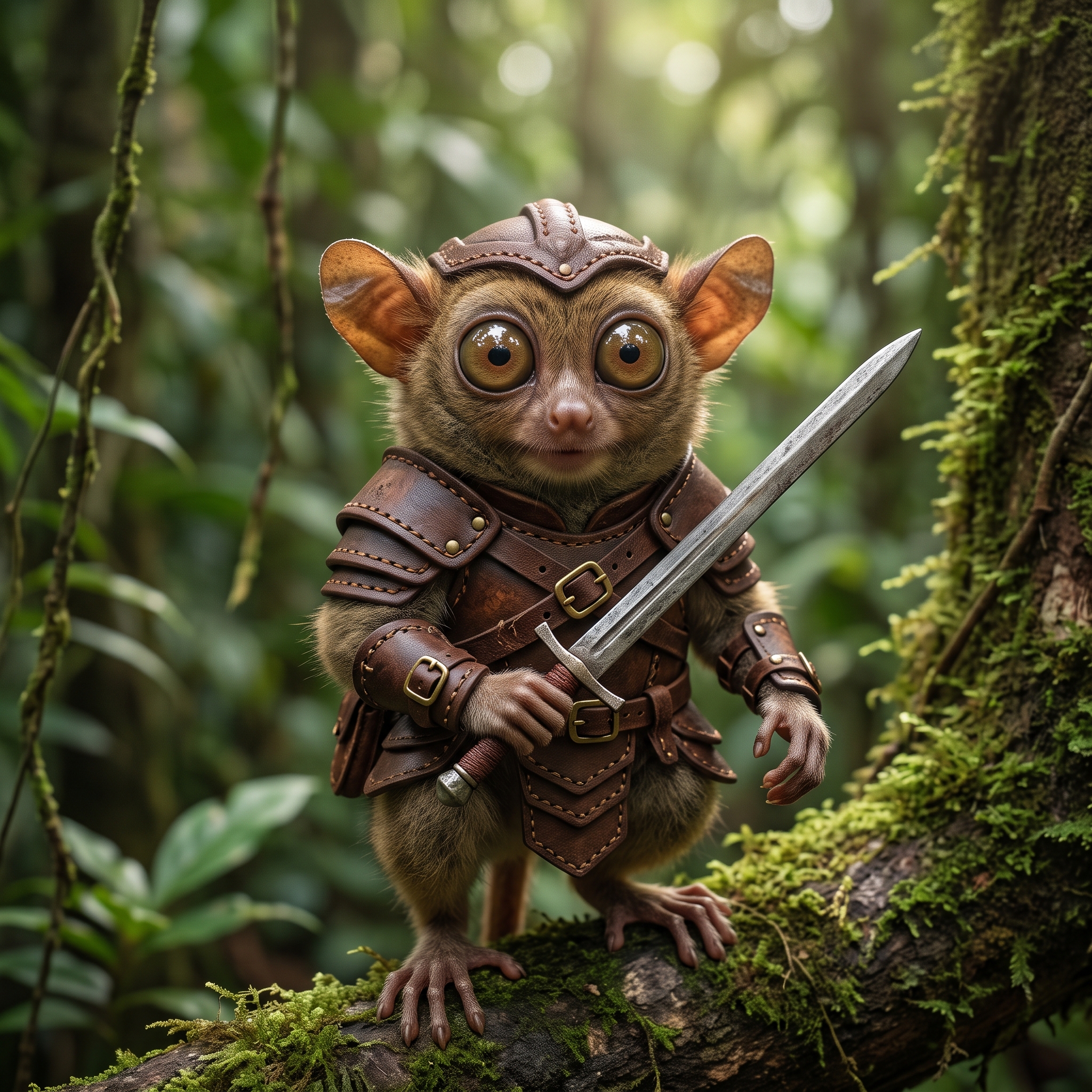
My read: ChatGPT ImageGen 2 is my favourite here; Gemini Nano Banana 2.1 also satisfies the idea. Midjourney v8 has plenty of character but weaker adherence to the requested action. The fastest image, Gemini Nano Banana 2.1 at five seconds, was satisfactory too. Slower does not automatically mean better.
Test 03
The poster that became an office
The joke is the brief. I wanted the poster itself, with the sentence readable enough to use. This is where a pleasant picture and a useful result part company.
Exact recorded prompt
A nerdy motivational poster for an IT office with the text 'I used to have potential. Now I have a subscription' , 1:1
ChatGPT ImageGen 2
34s reported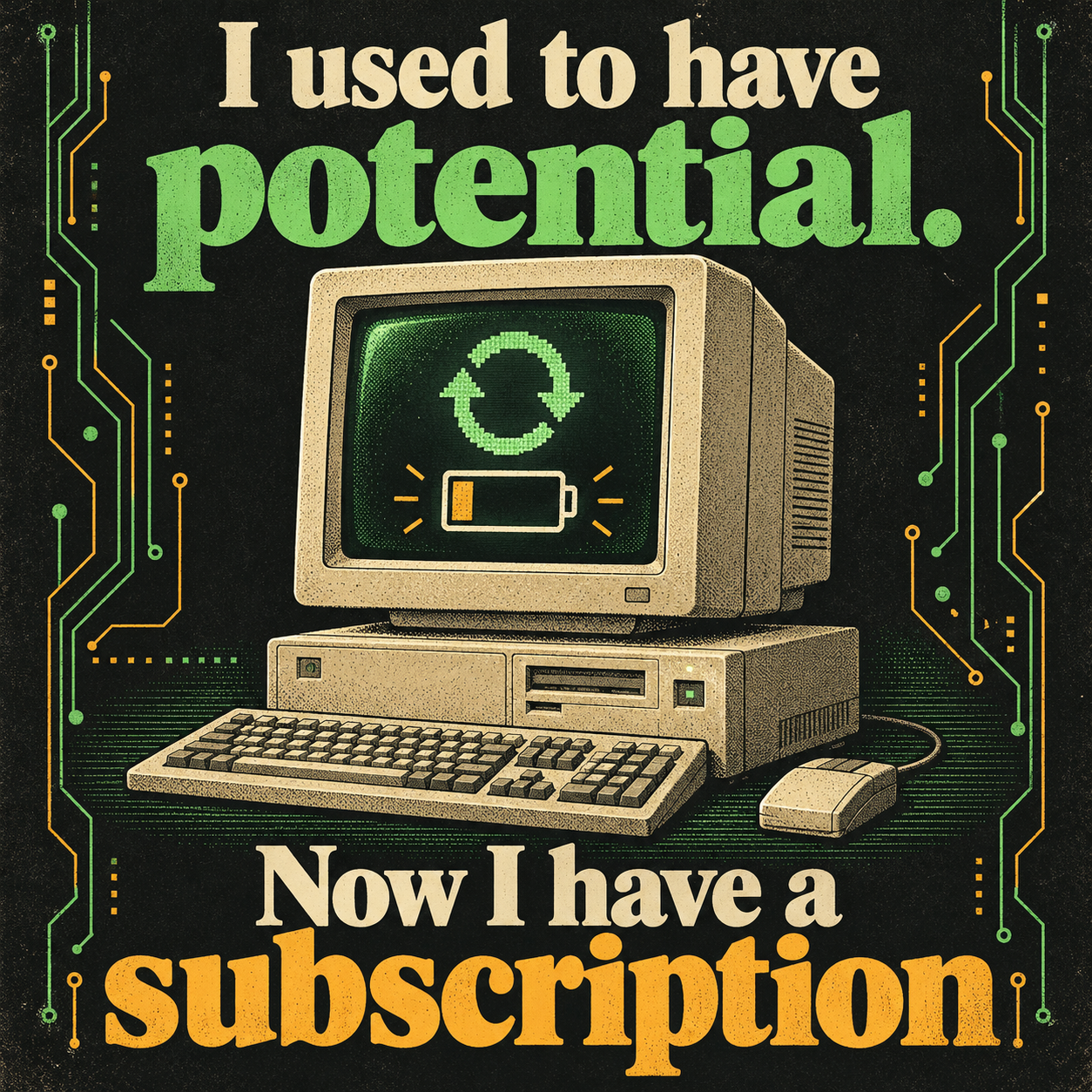
Midjourney v8
9s reported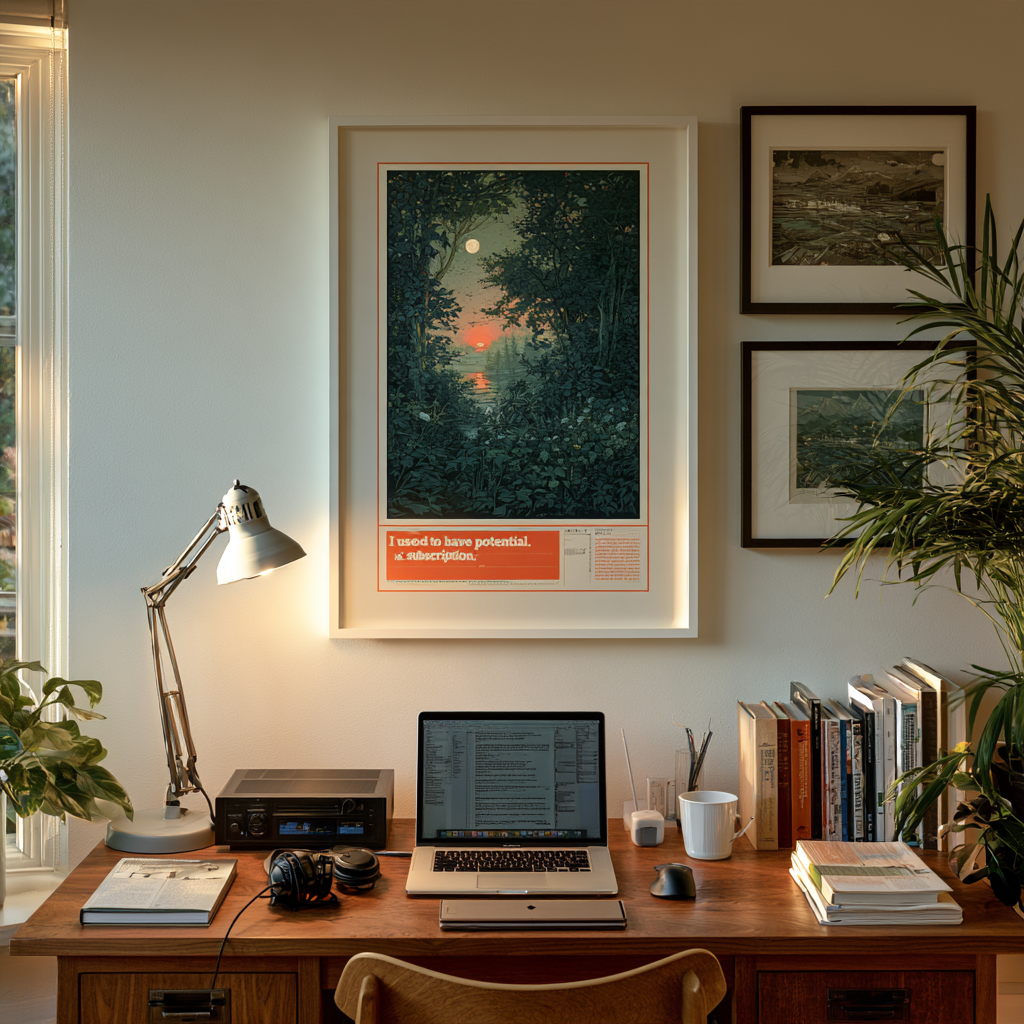
Gemini Nano Banana 2.1
10s reported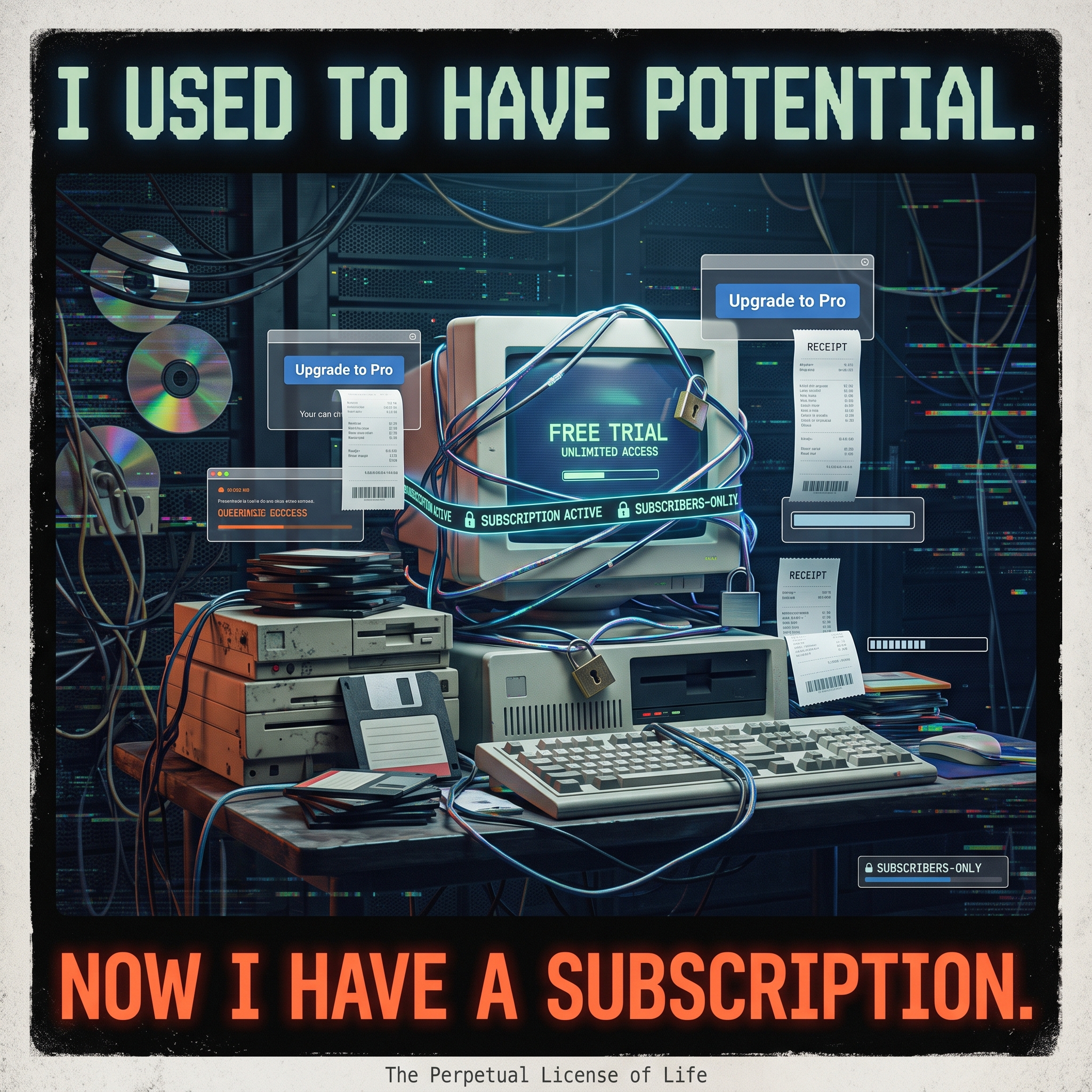
My read: ChatGPT ImageGen 2 is the most directly usable interpretation of my request. Gemini Nano Banana 2.1 gets the main wording across but adds clutter and a footer. Midjourney v8 misses the intended deliverable in this supplied result.
A qualification Midjourney v8 deserves
The recorded prompt puts the slogan in single quotes. Midjourney v8’s text-generation instructions specify double quotation marks and say single quotes do not work for that feature. They also recommend shorter wording and offer style/editing adjustments.
That matters. This image shows what happened with this casual brief, not the best text result Midjourney v8 could produce with platform-specific prompting. Identical wording is not automatically an equally well-adapted request. I have not rerun the test with corrected quotation marks.
Looking closely at the supplied files, ChatGPT ImageGen 2 reproduces the slogan’s words without a clearly visible final full stop after “subscription”. Gemini Nano Banana 2.1 adds that full stop, a “The Perpetual License of Life” footer and several smaller labels, some garbled. Main text and small print deserve separate inspection.
The stopwatch
Fast at making an image. Fast at finishing the job?
ChatGPT ImageGen 2 was slowest in each recorded run. Gemini Nano Banana 2.1 had the lowest total across these three timings. The arithmetic is straightforward; turning it into a platform speed claim would not be.
| Platform | Paris | Tarsier | Poster | Total | Mean |
|---|---|---|---|---|---|
| ChatGPT ImageGen 2 | 35 | 24 | 34 | 93 | 31.0 |
| Midjourney v8 | 9 | 9 | 9 | 27 | 9.0 |
| Gemini Nano Banana 2.1 | 9 | 5 | 10 | 24 | 8.0 |
The Paris timings were carried forward in the supplied research draft; the other timings accompanied the later test notes. None can be independently recovered from these image files. They exclude reviewing, editing and rejected attempts. The identical nine-second Midjourney v8 values are retained as reported, not assumed to be a fixed platform latency.
The number I would rather measure next is time to a satisfactory result: all generation waits, plus inspection, prompt changes and editing. I have sometimes needed many Midjourney v8 rolls to match an idea, but that is experience, not an average established here. I did not record enough iteration history to calculate that metric for this comparison.
Nine seconds is quick. It is less useful if the requested poster has moved into someone else’s office.
The judgement
My ranking stays. The caveat matters.
- ChatGPT ImageGen 2. My first choice when I have a specific composition in mind. The tarsier is my favourite output here, and the poster delivers the intended object and readable slogan. It also took the longest and its poster style did not escape familiar AI imagery.
- Midjourney v8. Still second in my wider creative workflow for atmosphere and artistic finish. The Paris scene shows why. Its sword grip and poster interpretation were less successful here, with the important text-prompt qualification above.
- Gemini Nano Banana 2.1. Third in my personal ordering, but hardly an also-ran in these examples. It was quickest overall in the reported sample, delivered a convincing tarsier and rendered the main poster words. The cluttered poster is a design criticism, not a failure to produce text.
These three examples do not calculate that overall ranking. Gemini Nano Banana 2.1 follows the main requests more clearly than Midjourney v8 in the tarsier and poster examples. My placement of Midjourney v8 second reflects broader personal use, not a score this sample has earned. A reader who values speed and literal delivery could reasonably prefer Gemini Nano Banana 2.1 from these results.
The practical lesson is to judge the relationship between the brief and the output, not just the first visual impression. Beautiful, accurate and useful are three different compliments.
Read the small print
What was recorded, and what was not
The source notes are dated 18 October 2026. They contain the three prompts reproduced above, nine platform-labelled image files, reported timings and my preferences. Platform attribution follows those supplied records; this was not an API-instrumented or independently witnessed test.
- One supplied output per platform per brief is displayed. The complete generation history, discarded outputs and any selection process are unavailable.
- The tested versions were ChatGPT ImageGen 2, Midjourney v8 and Gemini Nano Banana 2.1, confirmed by the author. Exact backend snapshots, subscription tiers, mode, queue conditions, seeds, quality settings and per-platform prompt-entry history were not fully recorded.
- All nine supplied files are square: ChatGPT ImageGen 2 1254 × 1254, Midjourney v8 1024 × 1024 and Gemini Nano Banana 2.1 2048 × 2048 pixels. They are displayed without cropping. Dimensions describe the supplied files, not verified native generation settings or relative model quality.
- No editing, character-consistency, price or commercial-licensing comparison was run. There were no blind scorers, repeated controlled trials or pre-registered acceptance criteria.
- “Photorealistic”, “cinematic”, “cluttered” and the rankings are editorial judgements. The images, prompts and reported times are the evidence being presented.
For a stronger follow-up, I would record exact backend snapshots and settings, keep every attempt, repeat each brief, and score named acceptance criteria before ranking results. I would run both a common plain-language brief and a documented platform-specific version. That would separate everyday instruction following from best-case prompting.
Product context checked 18 October 2026
The model labels reflect the author’s confirmation of what was used, rather than an inference from filenames or today’s defaults. OpenAI names the image model GPT Image 2; here it is identified as ChatGPT ImageGen 2 to distinguish image generation from the chat assistant. Google lists Nano Banana 2.1 within its image-generation family. No minor revision is inferred for Midjourney v8.
OpenAI’s image guidance recommends precise quoted wording and reviewing every word for dense or production-critical typography. Midjourney v8’s quotation-mark guidance is linked beside the poster result. These documents provide context; they do not validate our timings or certify any supplied image.
The initial research and its references explain why I chose these tools; they are not proof that these are the three best platforms on the market. Model preference leaderboards and a personal comparison of consumer tools answer different questions, especially without matched versions, settings or platform coverage.
Evidence and editorial assistance
The nine AI-generated outputs are supplied test evidence, not photographs of real events. Open an original to inspect it at full supplied resolution. The Stargate scene is a fictional fan-art prompt; no affiliation with the franchise is implied. No new images or additional image-generator runs were produced for this article.
Model clarification, 18 October 2026: added the author-confirmed image-generator versions; the original prompts, images and results are unchanged.
We use AI tools to assist our research and publishing workflow, with strict controls around human input, review and editorial approval. The tests, reported timings and opinions in this article are the author’s.
Related: our earlier test of repeated creative-direction failures and why explicit instructions still need a final human read.